ADM Plants
Aerosol deposition method — dense ceramic films without sintering
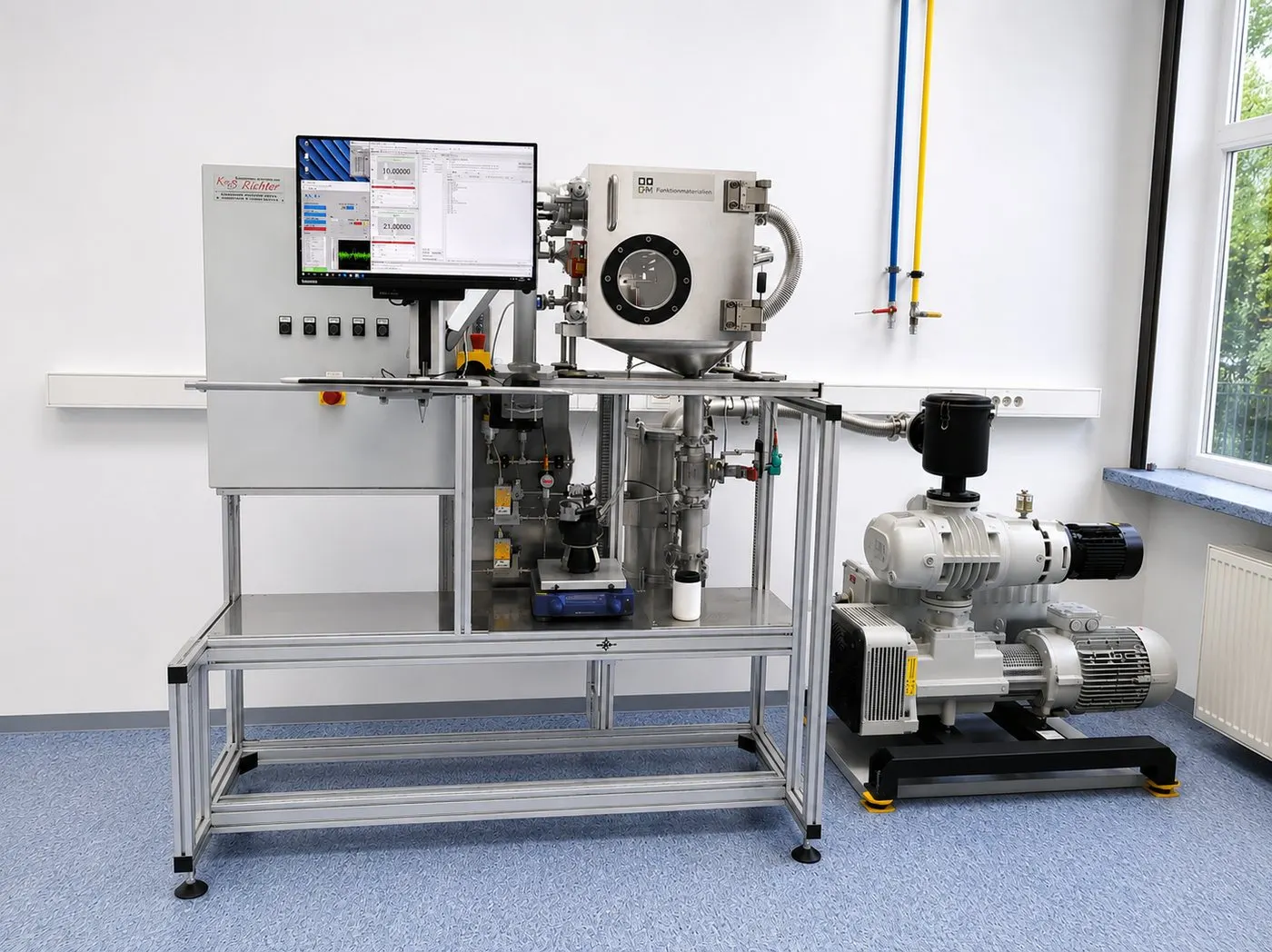
The Aerosol Deposition Method (ADM) is an advanced spray-coating process that produces dense, nanocrystalline ceramic and composite films directly from dry powders without high-temperature sintering. InVerTec’s development of pilot- and commercial-scale ADM equipment serves as a prime benchmark for bridging the gap between basic academic research and industrial-scale plant implementation.
By converting the kinetic energy of accelerated particles into bonding energy at room temperature (Room-Temperature Impact Consolidation, RTIC), ADM circumvents the thermal constraints of conventional ceramics processing, enabling the direct coating of temperature-sensitive substrates such as polymers, metals, and glass.
Process Principle & Mechanism
- Aerosol Generation & Fluidization: Fine, submicron or micron-scale particulate feedstocks are continuously fluidized in an engineered dispersion chamber using a dry carrier gas stream (e.g., N₂, He, or dry air) to form a homogeneous aerosol.
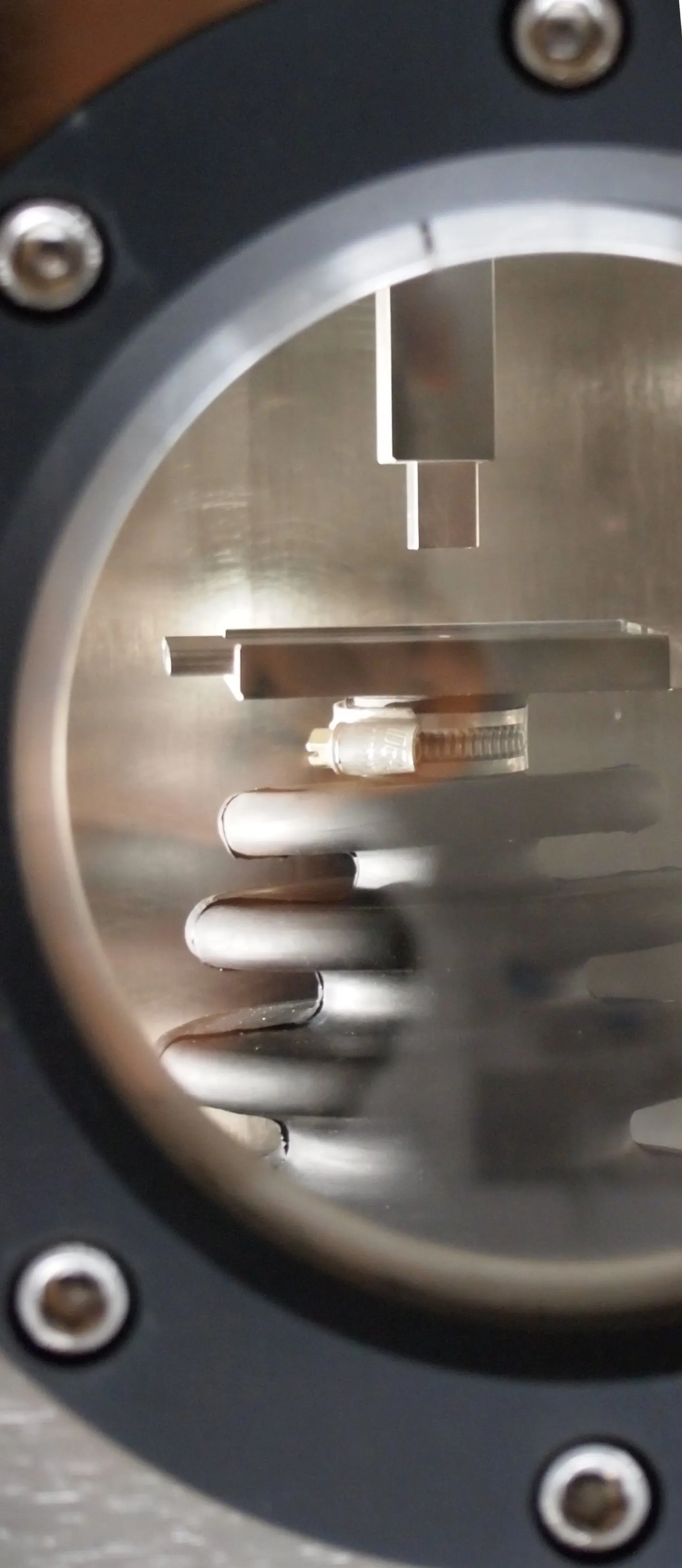
- Vacuum Acceleration: The aerosol is transferred through a specialized converging slit nozzle into an evacuated deposition chamber (operating under low vacuum, typically 1 to 10 mbar). The substantial pressure gradient accelerates the particles to velocities between 150 and 500 m/s.
- Impact Consolidation (RTIC): Upon colliding with the substrate, the high kinetic energy causes localized particle fracture, continuous comminution, and severe plastic deformation. Newly generated, chemically active surfaces bond instantly to form dense, pore-free films with near-theoretical density and exceptional substrate adhesion.