
Technologies
Reactor systems, unconventional applicators, unit operations and material engineering – from laboratory research to industrial implementation.
At InVerTec, we develop innovative technologies that transform scientific knowledge into practical industrial solutions. Our expertise covers conventional and unconventional reactor systems, unit operations, material development, and customized plant engineering.
These technology platforms enable sustainable polymer recycling, the recovery of valuable chemicals and monomers, the development of advanced materials and manufacturing technologies, and customized process engineering.
By combining scientific research with engineering expertise, we support our partners throughout the entire innovation process, from laboratory and pilot scale research to technology transfer and industrial implementation.
Conventional Reactor Systems
Design, engineering, and operation of established thermal reactor platforms—including Fluidized Bed Reactors (FBR), Stirred Bed Reactors (SBR), tubular systems, and high-pressure autoclaves—for robust process development and scale-up.
Learn more →
Unconventional Reactor Systems
Development and integration of advanced electrothermal and plasma technologies, including microwave-assisted reactors, Dielectric Barrier Discharge (DBD), and thermal plasma torches for intensified, electrified chemical synthesis and conversion.
Learn more →
Unit Operations
Engineering of critical peripheral and downstream unit operations, including specialized solid and gas feeding systems, high-temperature quenching, condensation units, and product separation for stable continuous plant operation.
Learn more →
Material Development & Engineering
Development of advanced materials and manufacturing technologies, including composite materials, particle production, and surface modification for industrial applications.
Learn more →Conventional Reactor Systems
Engineering solutions for complex processes
Read more
Design, engineering, and operation of established thermal reactor platforms—including Fluidized Bed Reactors (FBR), Stirred Bed Reactors (SBR), tubular systems, and high-pressure autoclaves—for robust process development and scale-up.
Our Reactor Systems
- Fluidized Bed Reactors (FBR): For gas-solid reactions, thermal conversion, pyrolysis, combustion, and catalytic processes requiring excellent heat transfer, mixing, and temperature uniformity.
- Stirred Bed Reactors (SBR): Specialized reactor systems for handling coarse, irregular, or difficult-to-fluidize particles with improved solids circulation and heat transfer.
- Tubular Reactors: Continuous high-temperature and high-pressure reactors for gas-phase and liquid-phase synthesis, reaction kinetics, and process scale-up.
- Hydrothermal Reactors: Batch and continuous high-pressure reactors for hydrothermal carbonization, liquefaction, material dissolution, and recycling of advanced materials such as PFSA ionomer membranes.
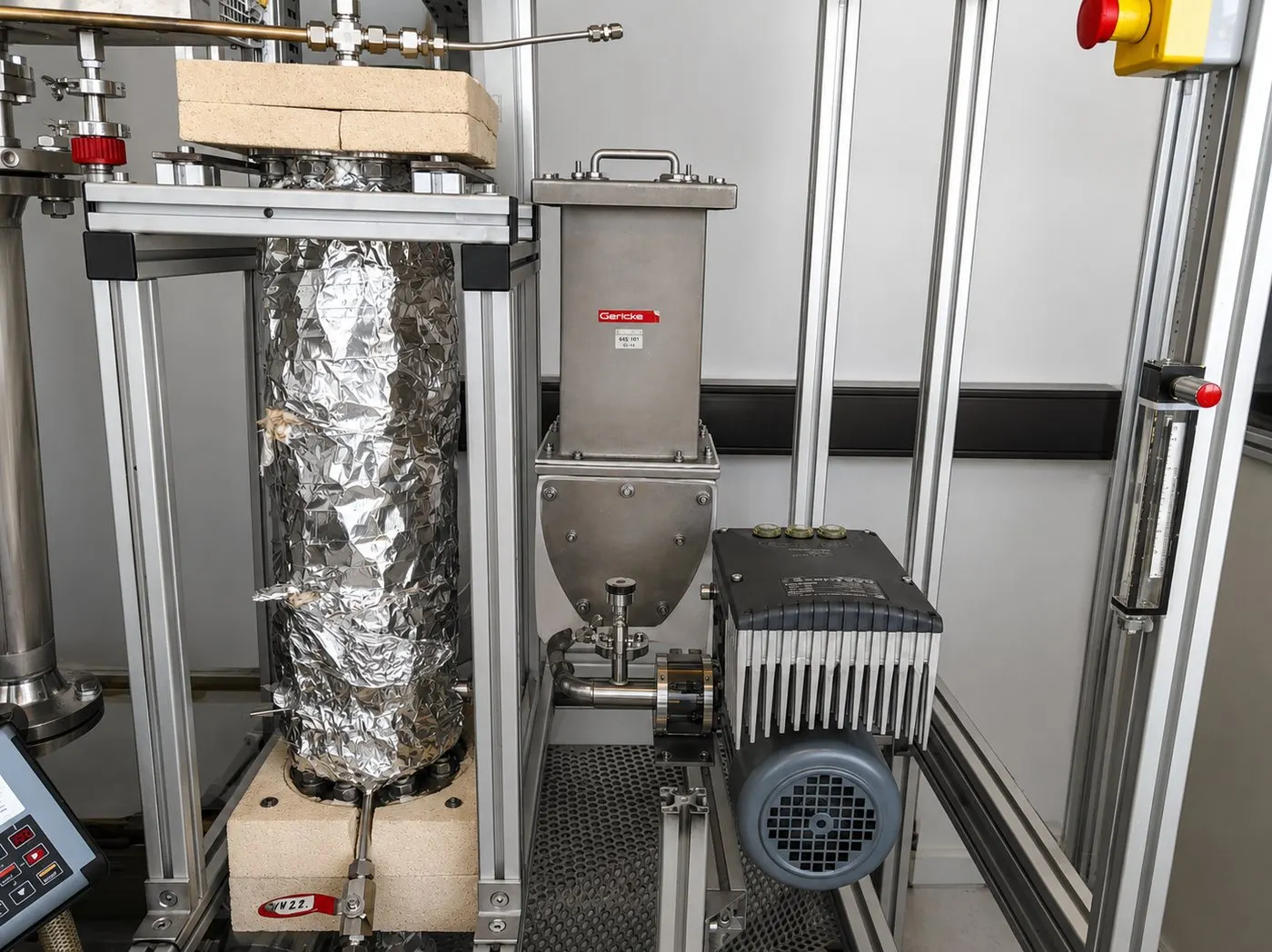
Fluidized Bed Reactors (FBR)
Intense mixing, superior heat and mass transfer
Learn more →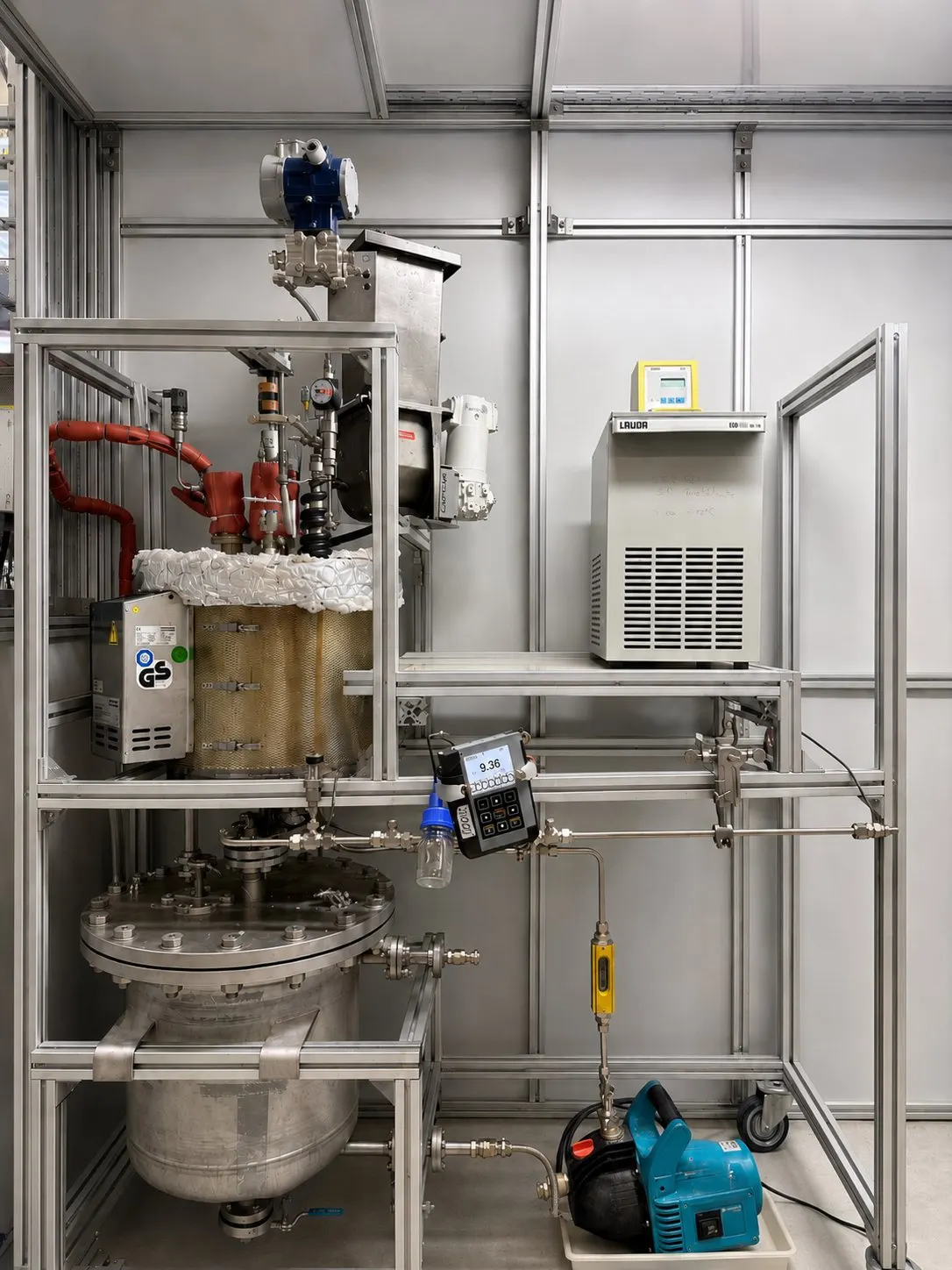
Stirred Bed Reactors (SBR)
Blockage-free processing of fiber-reinforced composites
Learn more →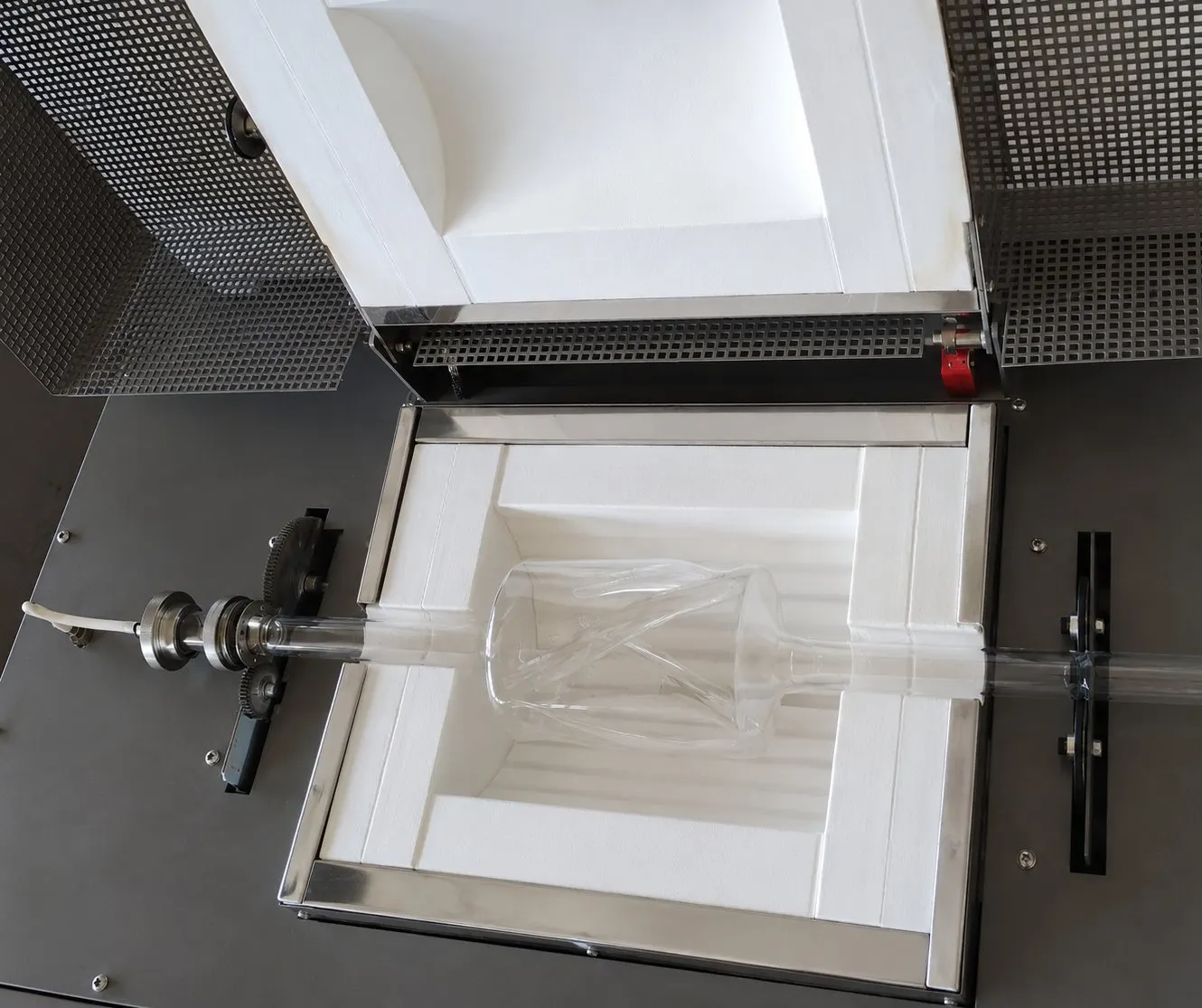
Rotary Kiln Reactors
Continuous thermal treatment of free-flowing particulate solids
Learn more →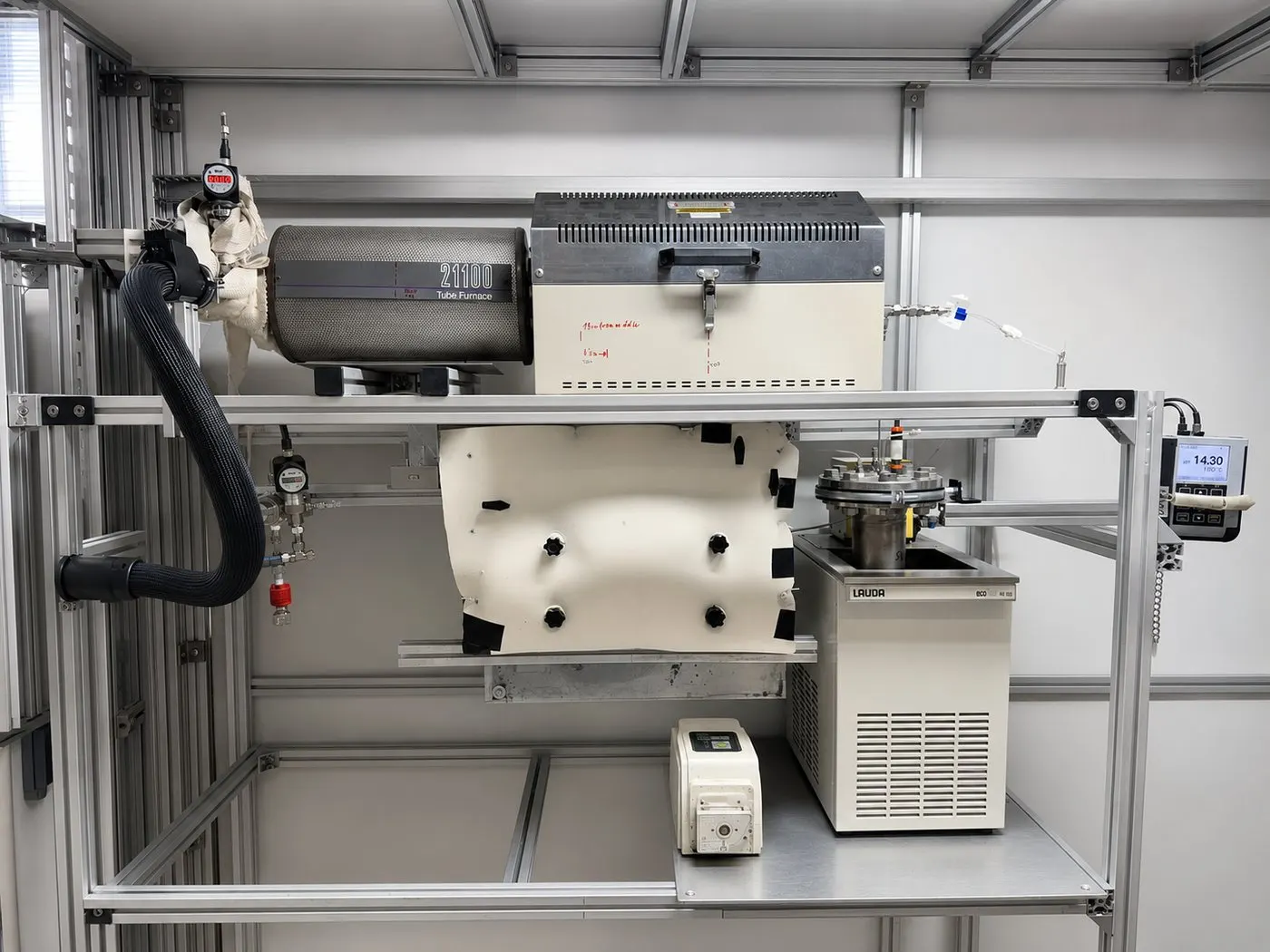
Tubular Reactors
Continuous high-temperature and high-pressure conversion
Learn more →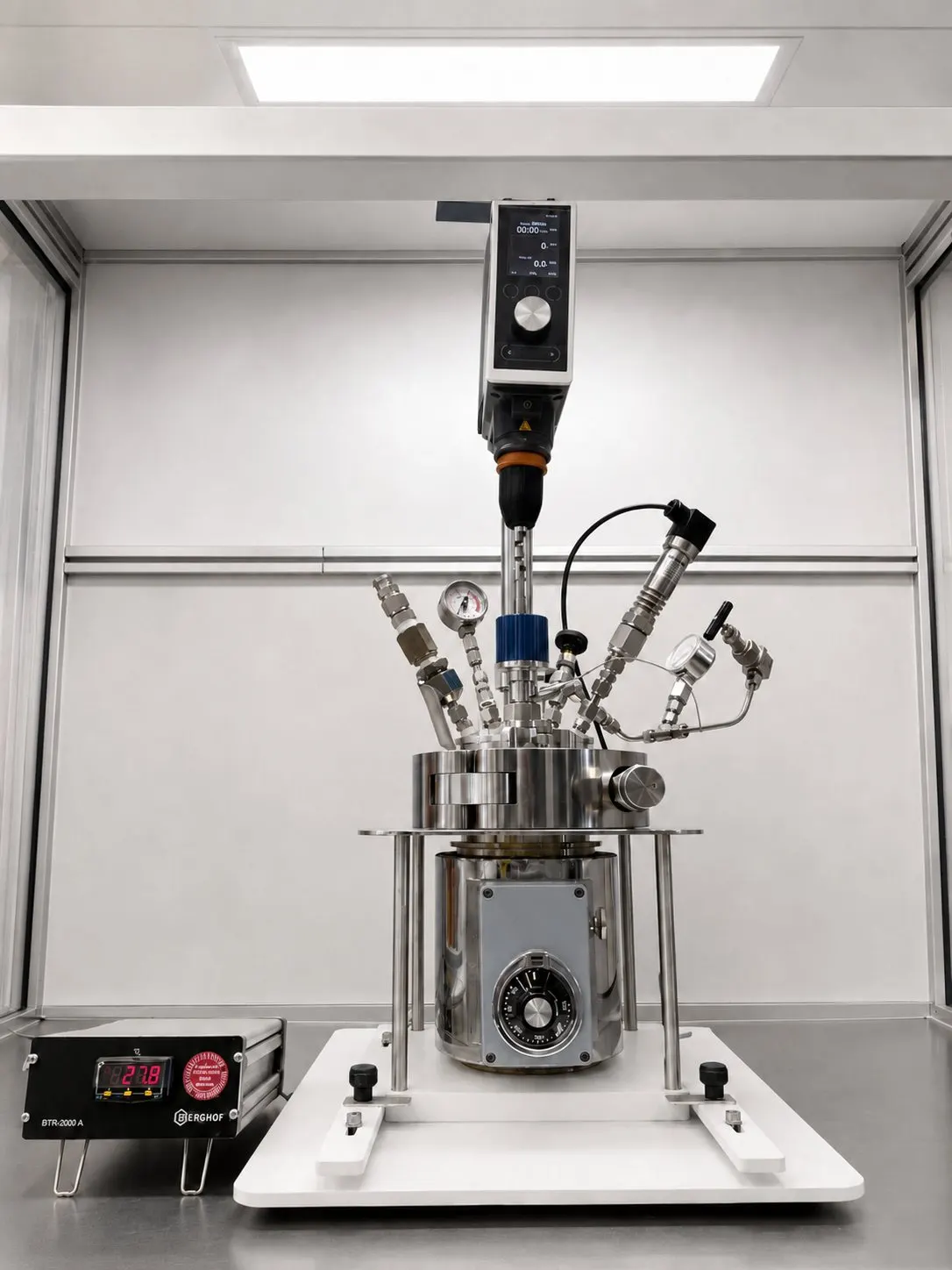
Autoclaves (High-Pressure Reactors)
Batch processing from 125 mL to 500 L
Learn more →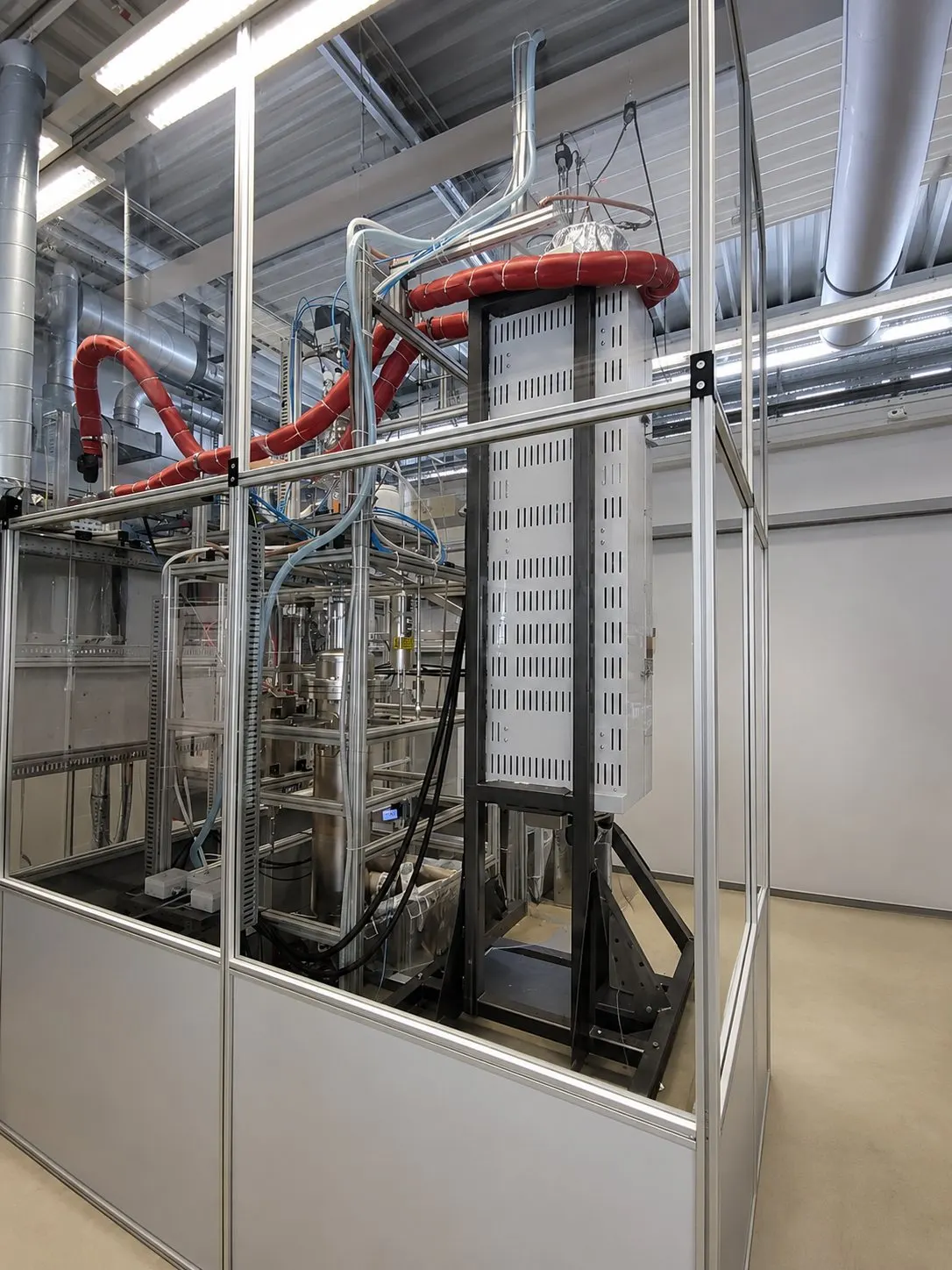
Reactive Spray Drying
Single-step liquid-to-solid synthesis
Learn more →Unconventional applicators
Reactors based on non-conventional energy input
Read more
At InVerTec, reactors and processing units based on non-conventional energy input are developed to address specific thermodynamic and kinetic challenges. When a chemical reaction requires harsh conditions due to kinetic limitations, a microwave plasma torch delivers focused, high-enthalpy energy directly to the reactants. When standard freeze drying is insufficiently gentle or too slow for fragile goods, microwave freeze drying accelerates sublimation without thermal degradation. Furthermore, when rapid heating without the boundary limitations of a physical heat-transfer surface is required, dielectric heating provides direct volumetric energy coupling. Combinations of conventional reactor geometries and non-conventional heating are equally feasible, as demonstrated by our microwave-heated fluidized bed systems engineered for sub-micron particles processing.
The development of such tailor-made systems is always done in close collaboration with InVerTec’s customers.
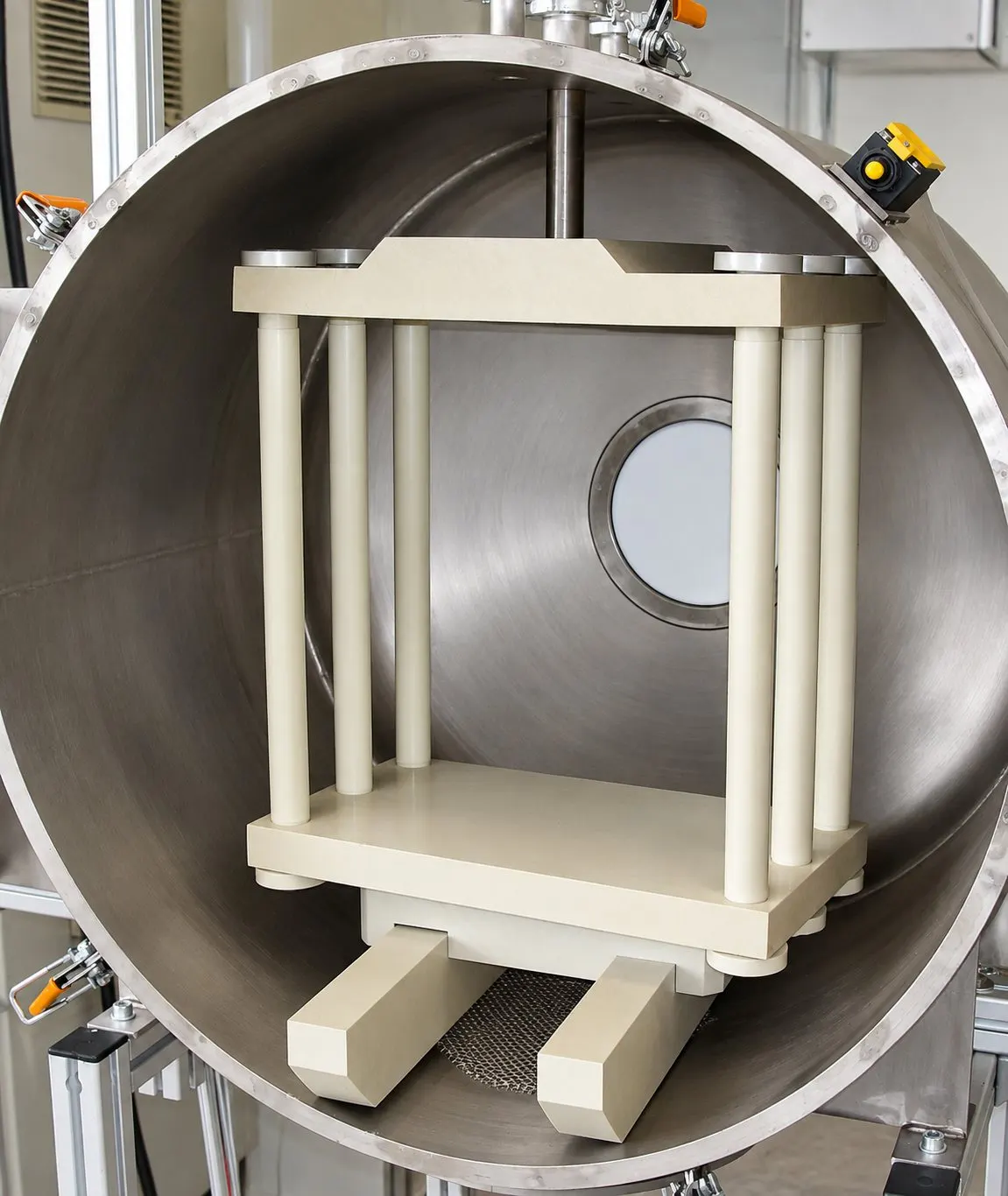
Microwave Freeze Drying
Direct volumetric energy input accelerates sublimation
Learn more →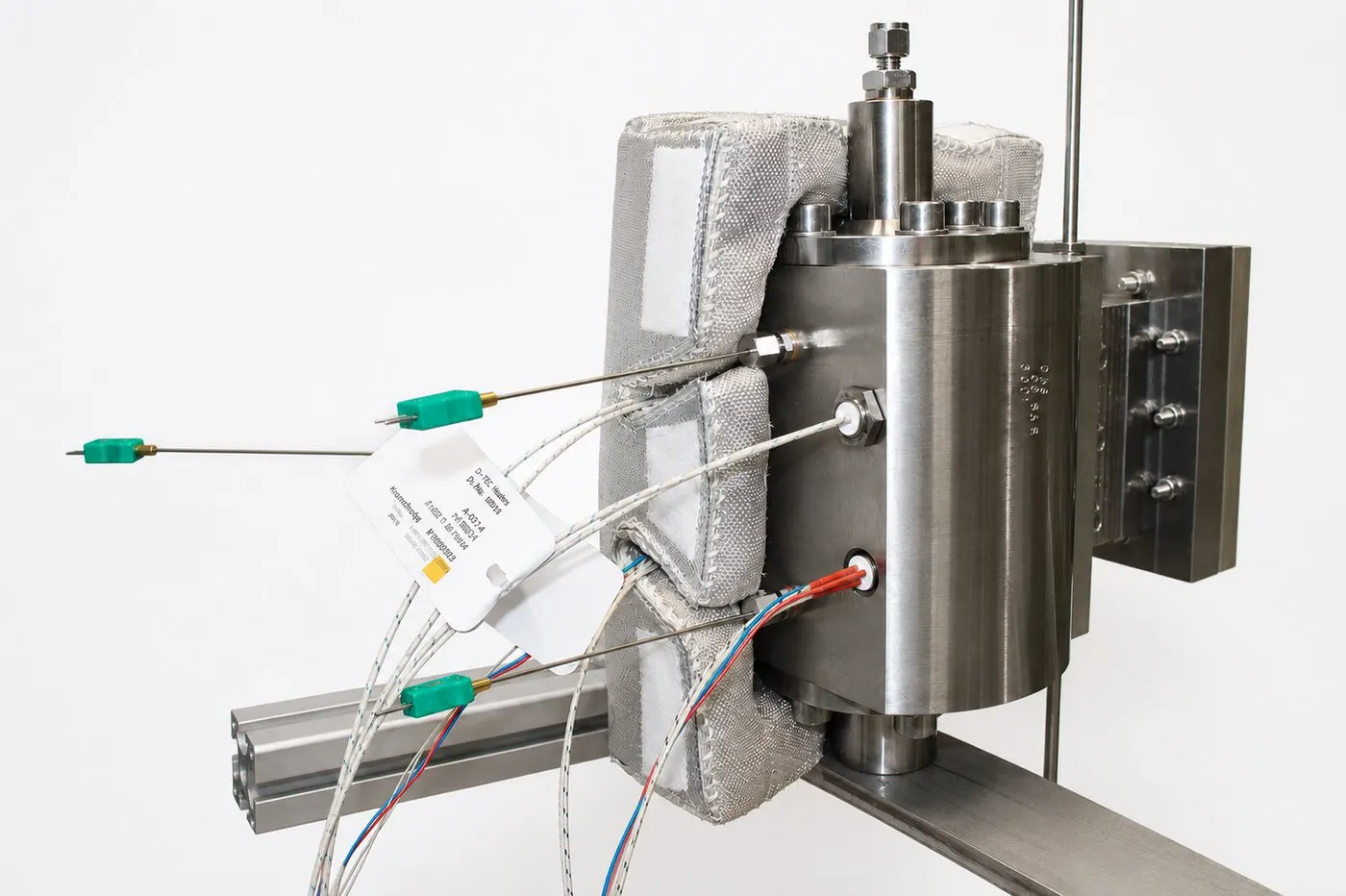
Microwave Heating at High Pressure
Continuous flow at up to 25 bar and 400 °C
Learn more →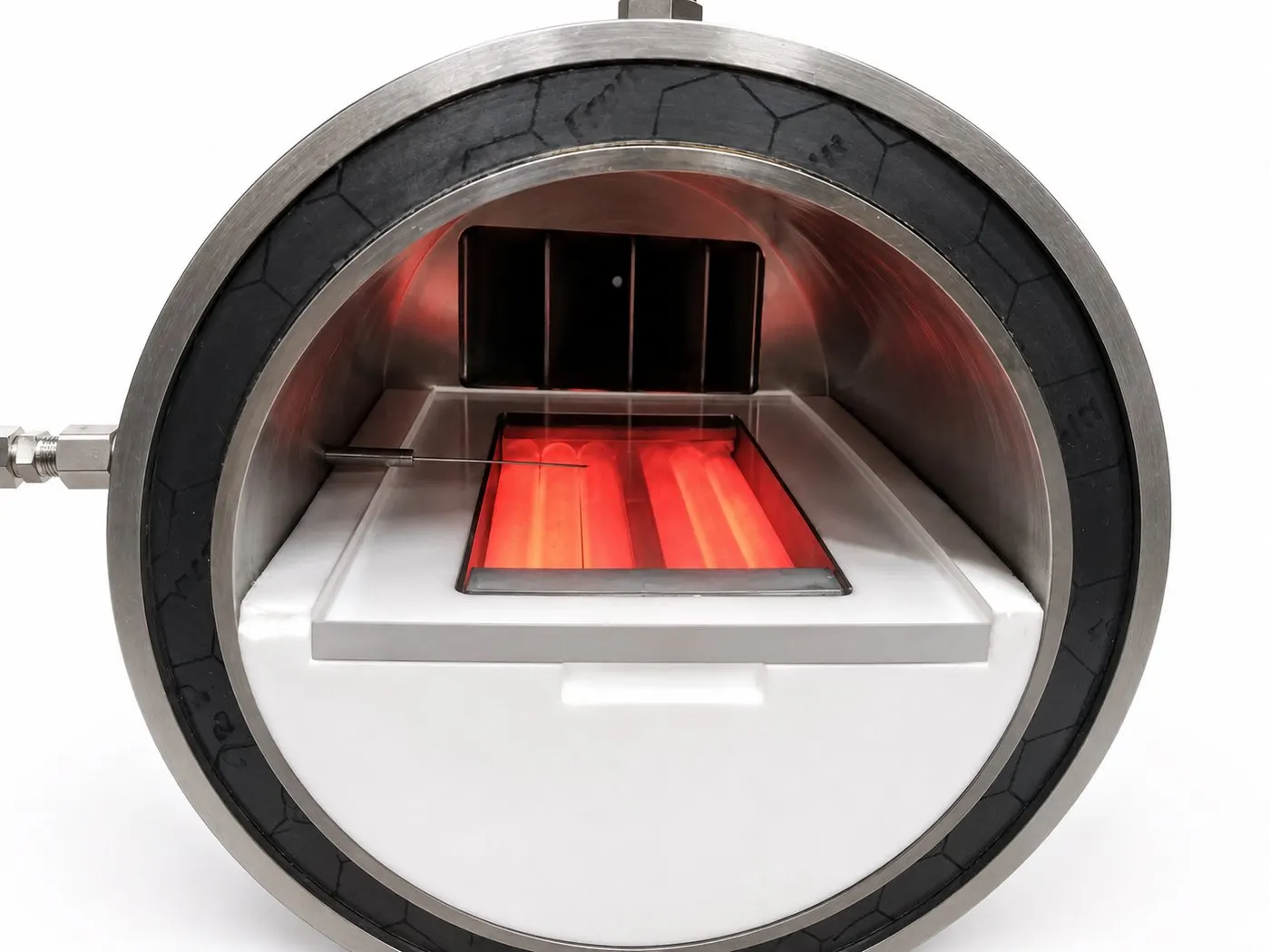
IR-Reactor
Cold-wall radiative heating for selective surface reactions
Learn more →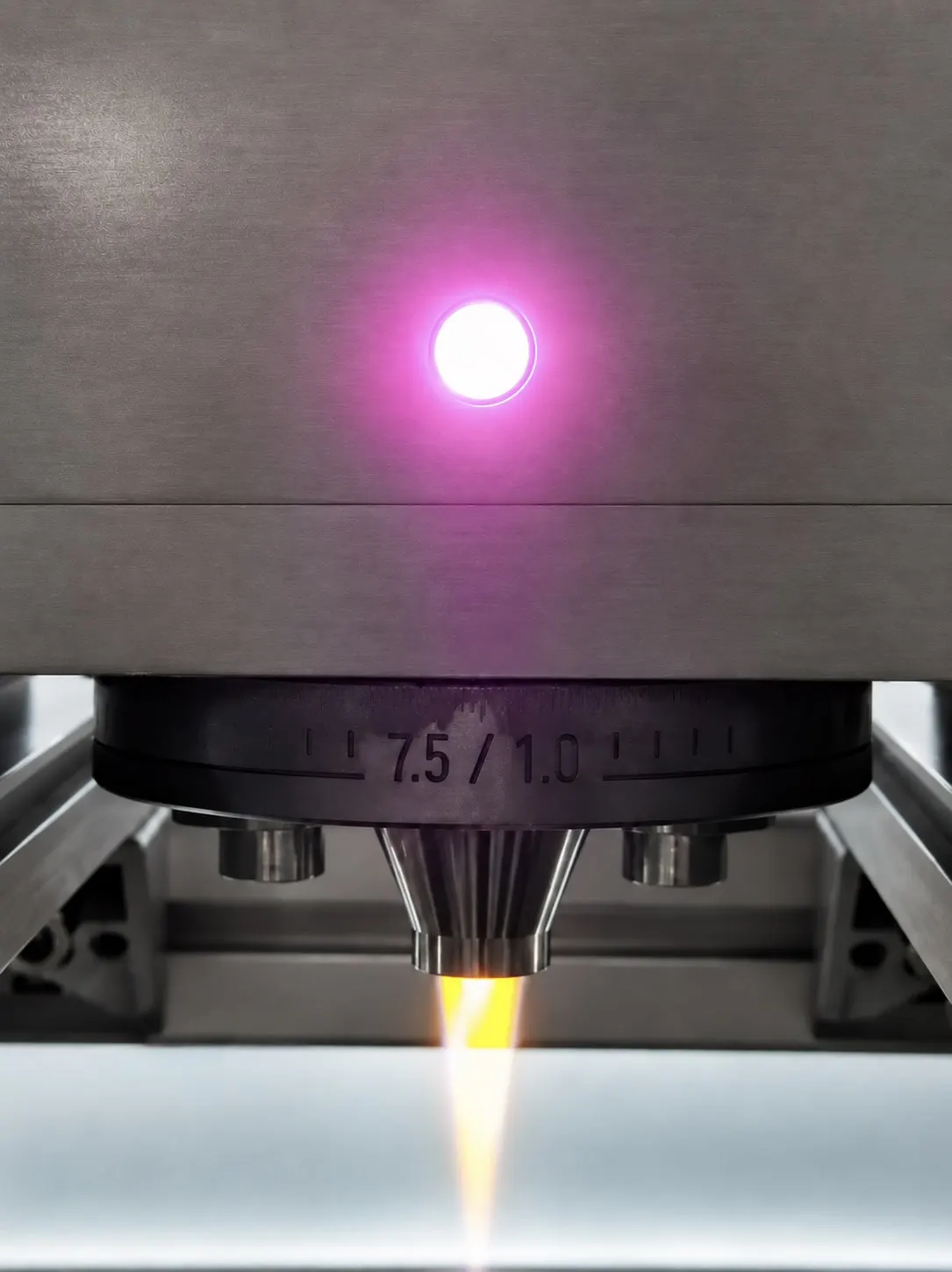
Microwave Plasma Torch
Focused, high-enthalpy plasma plume for direct material interaction
Learn more →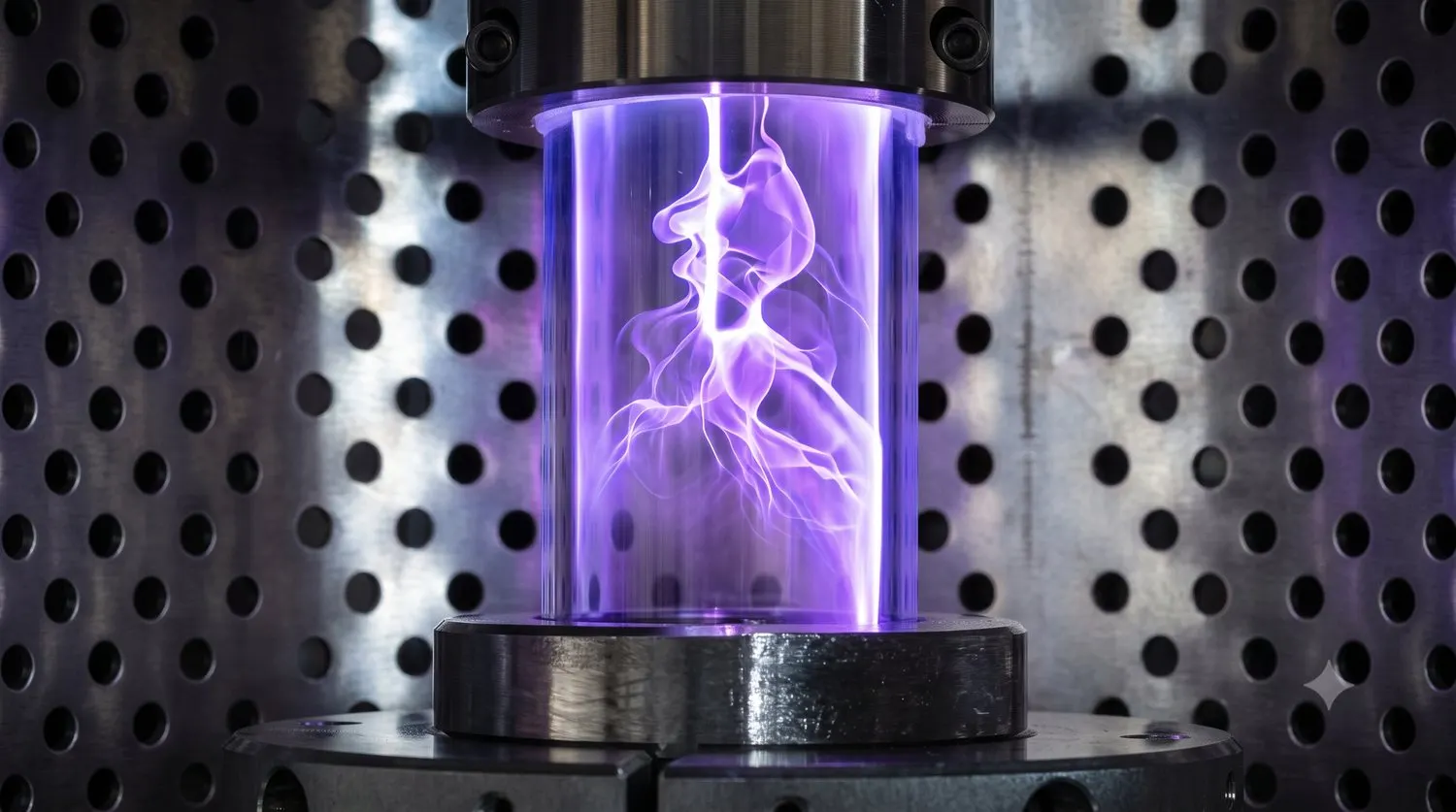
DBD Plasma
Atmospheric cold plasma for selective synthesis
Learn more →Unit Operations
Process units that can be freely combined with our reactors
Read more
Our process units are mostly compatible with our reactors in such a way that everything can be combined with each other. That gives us high flexibility to short track requests.
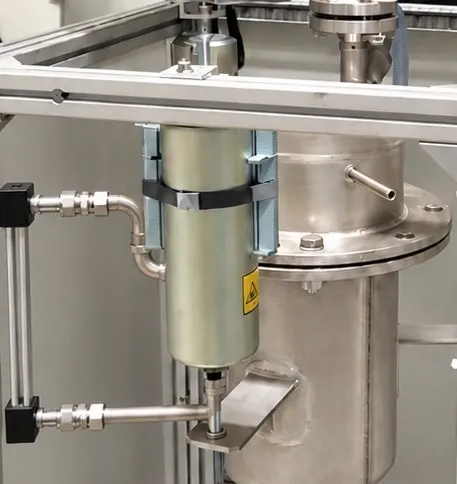
Quenching Systems
Rapid thermal stabilization of non-equilibrium product streams
Learn more →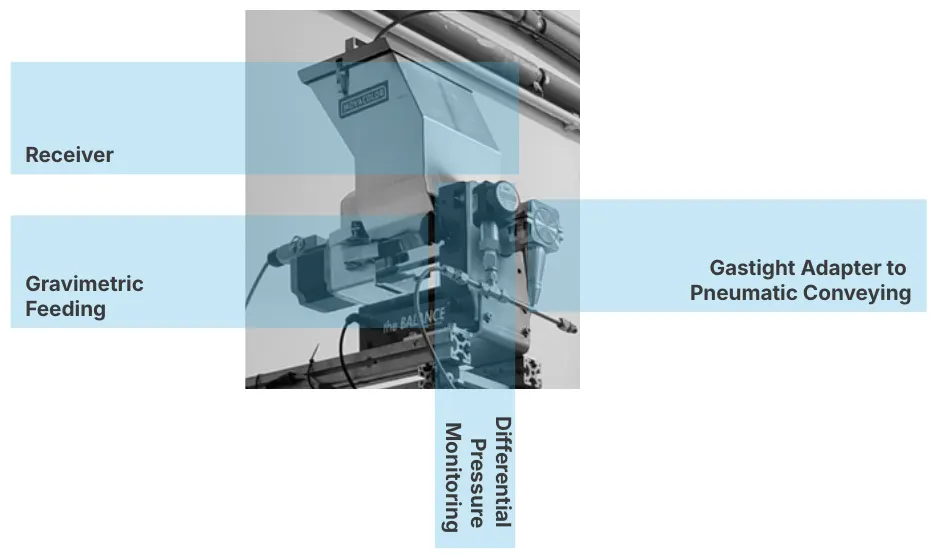
Feeding Systems
Precise material feeding as the foundation of any reliable process
Learn more →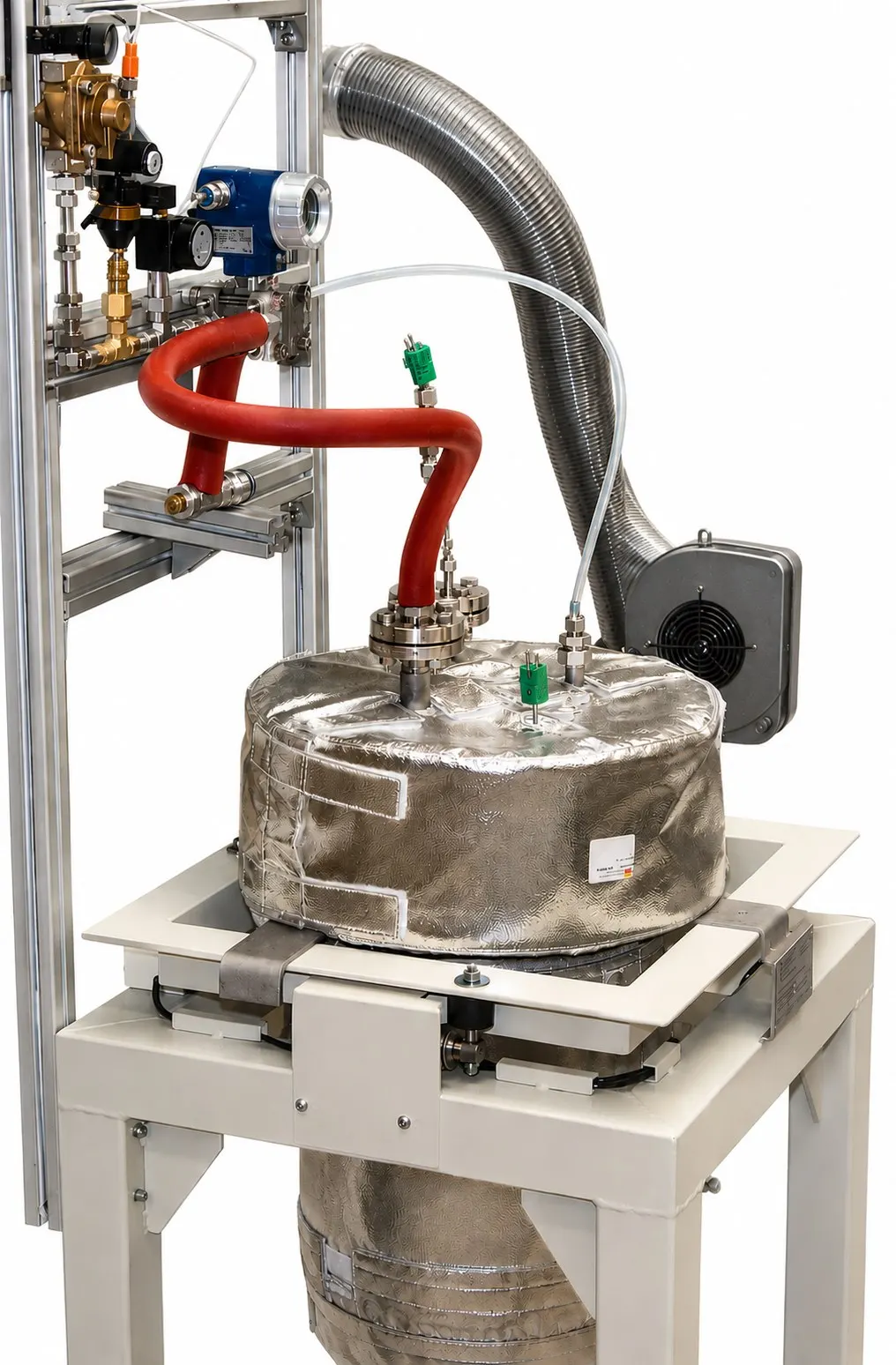
Liquid Dosing & Evaporation Systems
Total vaporization and carrier-gas evaporation
Learn more →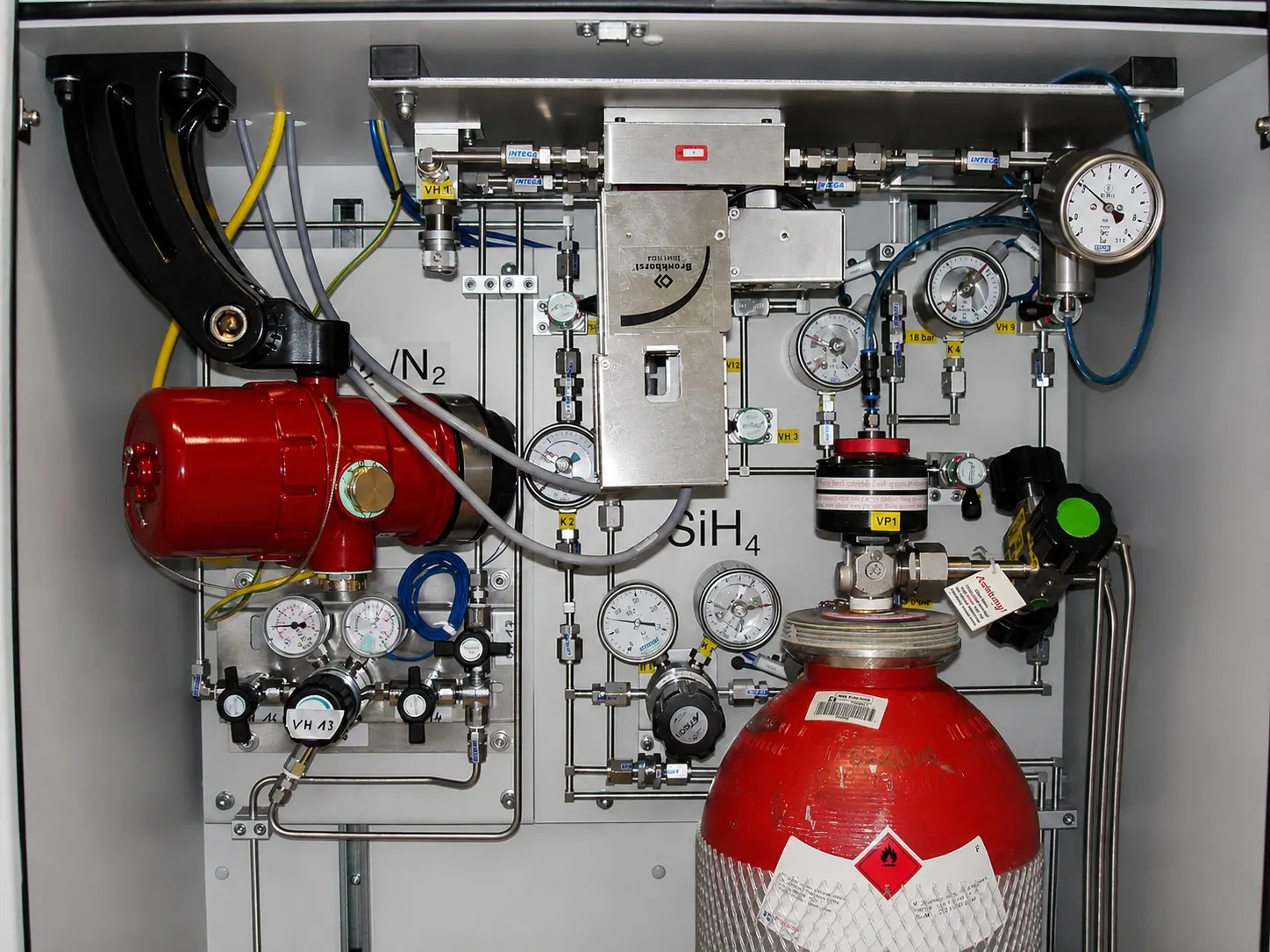
Silane Supply System
Safe handling of pyrophoric monosilane
Learn more →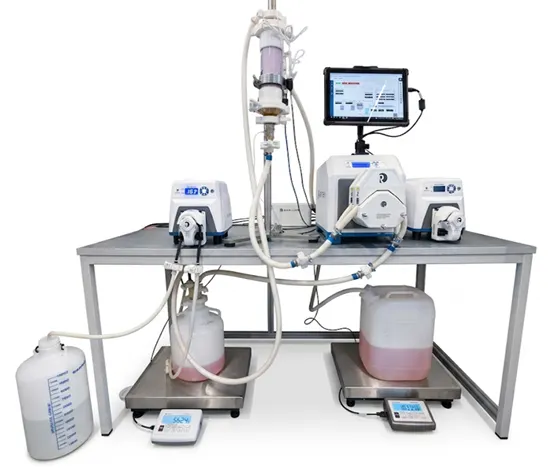
Ultrafiltration
Commercial-grade ultrafiltration and diafiltration system
Learn more →Material Development & Engineering
From material science to industrial reality
Read more
Development of advanced materials and manufacturing technologies, including composite materials, particle production, and surface modification for industrial applications.
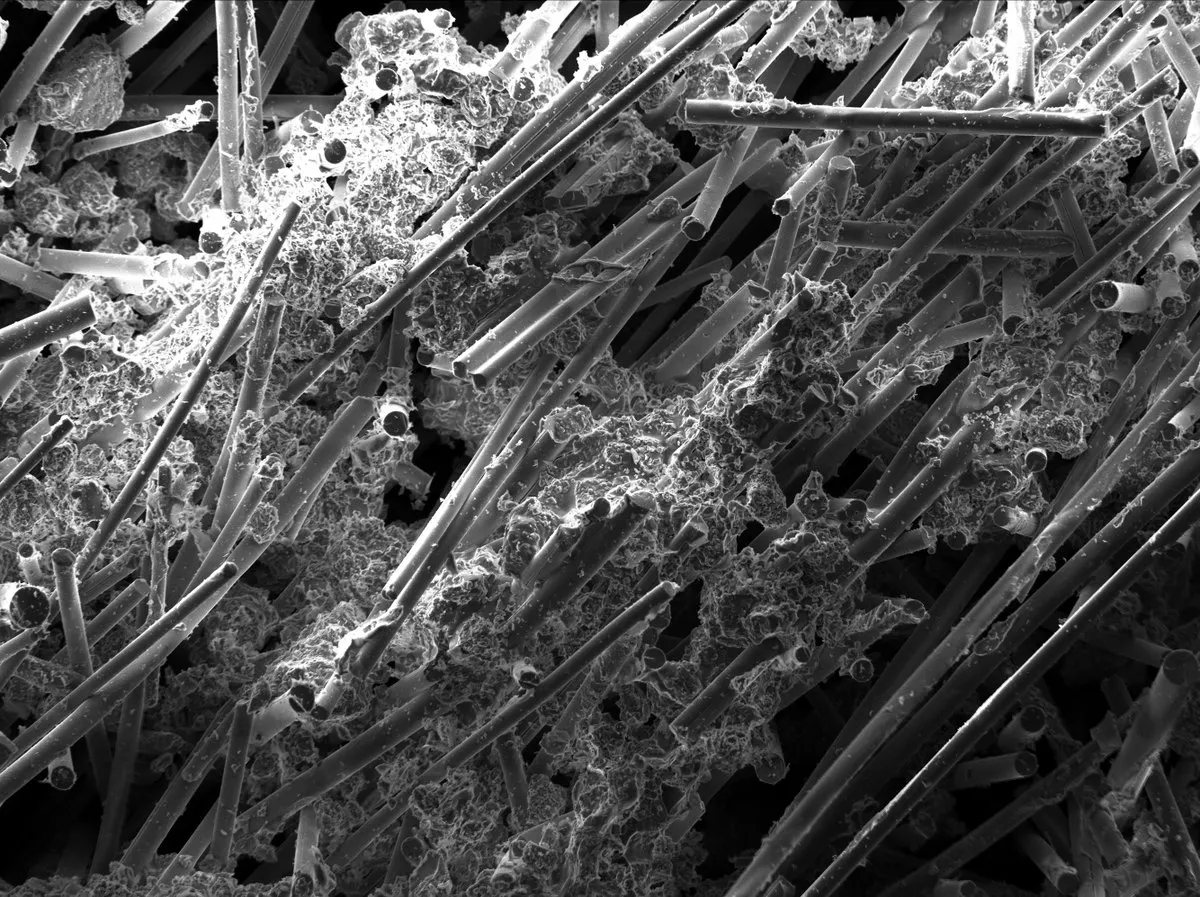
Engineering of Materials and their Manufacturing Processes
Formulation, characterization and industrial scaling
Learn more →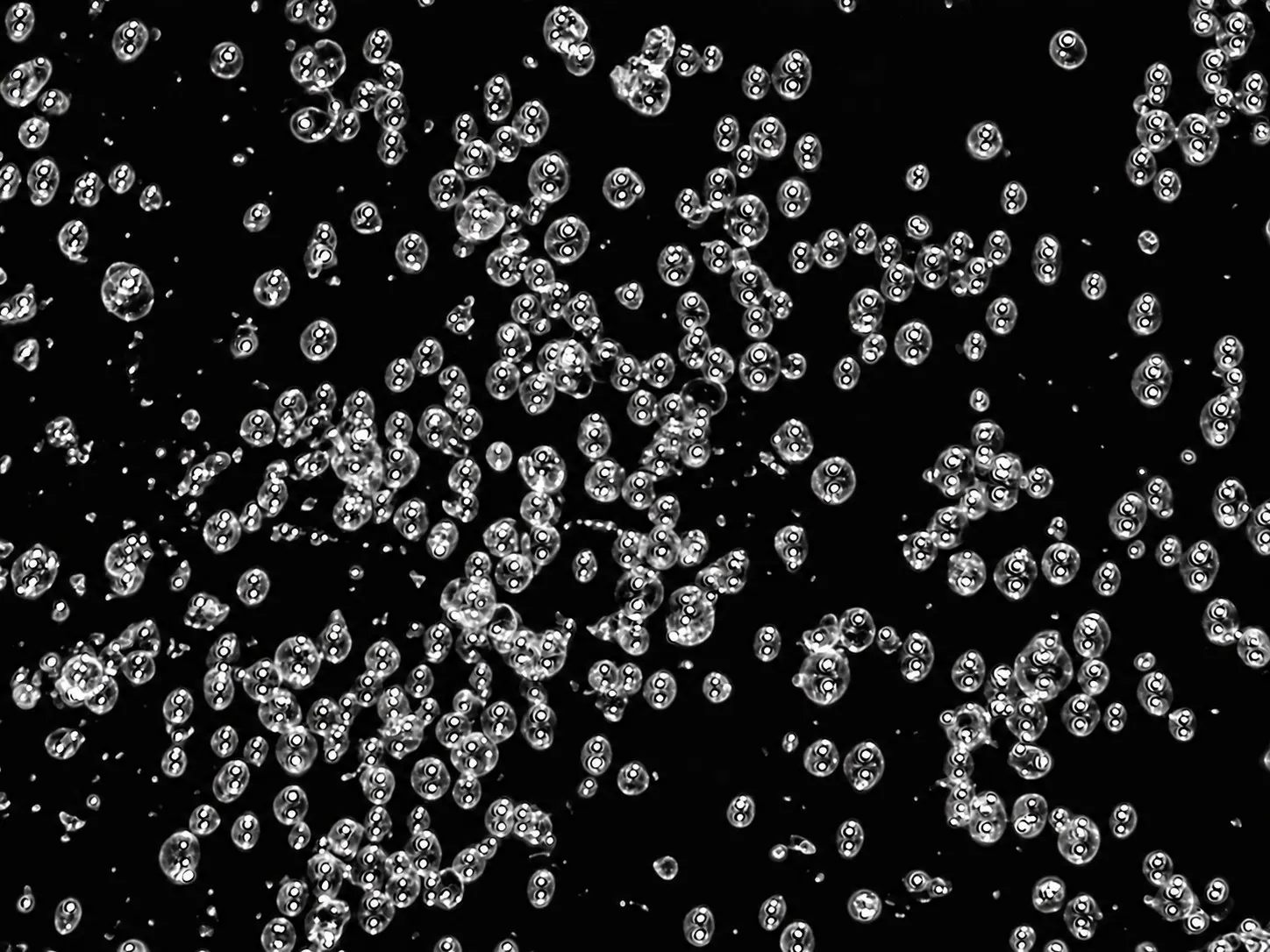
Particle Production
Continuous synthesis and engineering of advanced particulate materials
Learn more →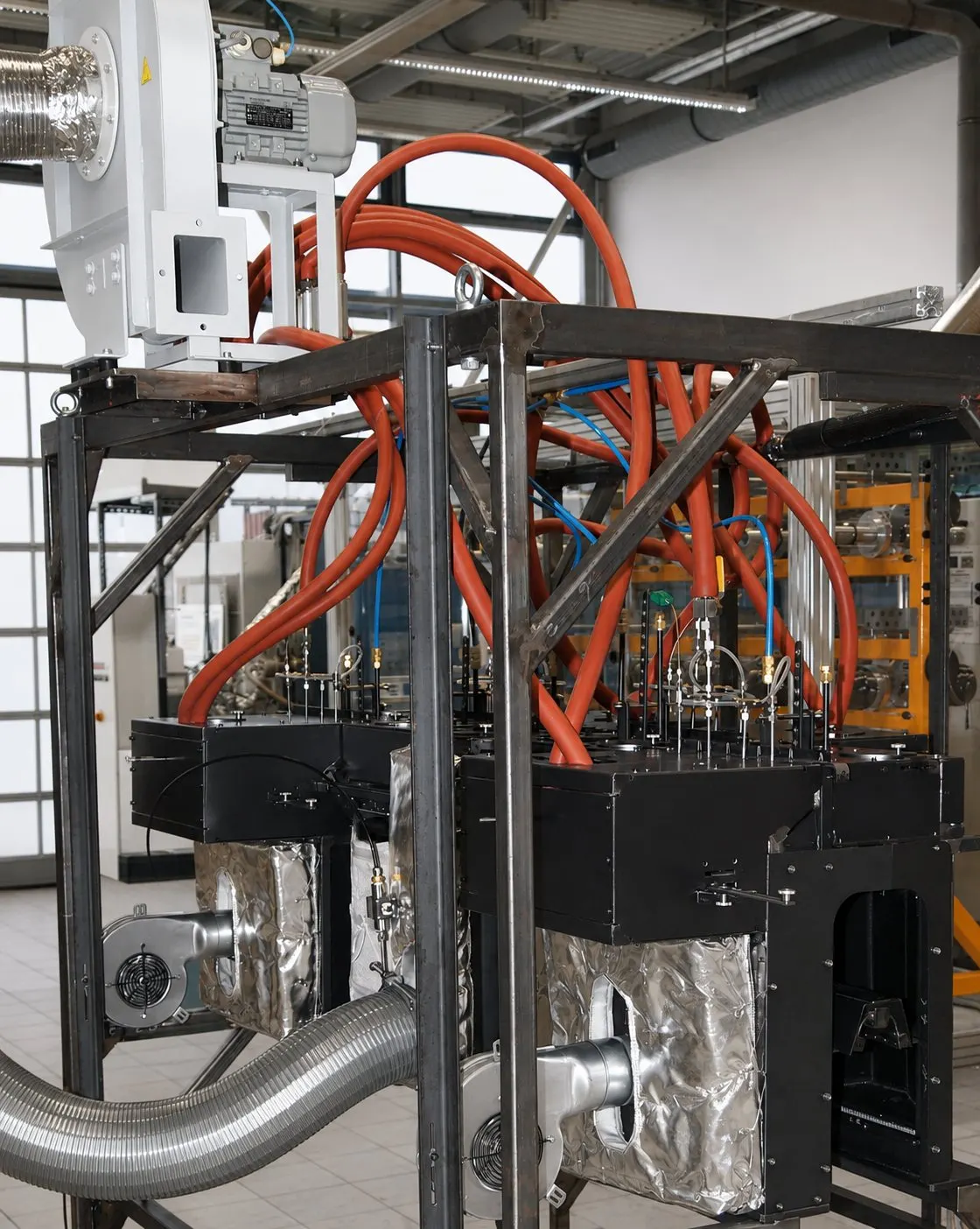
Surface Modification / CVD
Tailoring chemical and physical surface properties
Learn more →