CVD Processes
Tailor-made coating reactors for precursor decomposition
Chemical Vapor Deposition (CVD) encompasses advanced coating techniques where gaseous precursors decompose or react to form high-performance thin films, functional surfaces, or encapsulated particles. These conversion processes typically require precise electrothermal management or active energetic excitation.
Leveraging deep expertise in electrothermal process engineering, reactor design, and plasma activation, InVerTec develops tailor-made CVD reactors and integrated process solutions for demanding research applications and industrial deployment.
Technical Spotlight
- Plasma-Enhanced Chemical Vapor Deposition (PECVD): When precursor decomposition kinetics require acceleration or when working with temperature-sensitive substrates, plasma activation significantly lowers the required reaction temperature. InVerTec designs custom PECVD systems utilizing varied discharge sources, ranging from soft atmospheric cold plasma (such as Dielectric Barrier Discharge, DBD) to high-energy microwave plasma configurations.
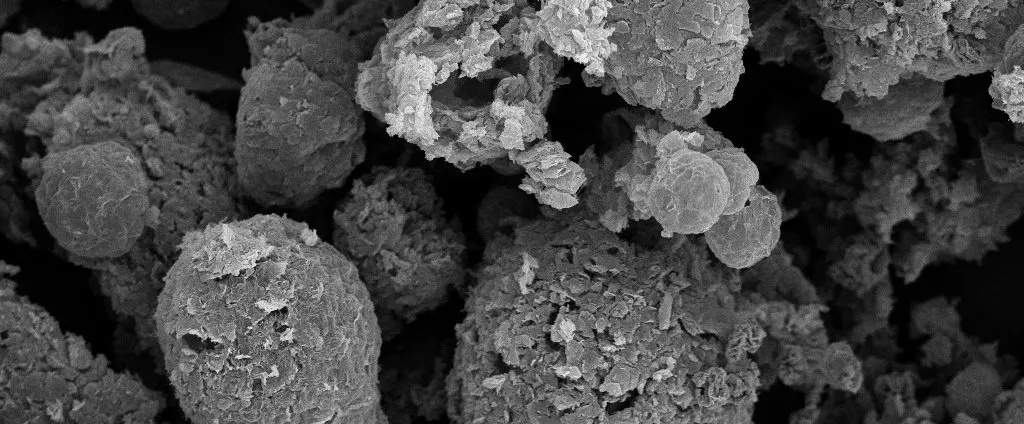
- Fluidized Bed CVD Reactors (FBR): Specially engineered for uniform surface coating, particle functionalization of free-flowing materials, and high-temperature corrosion testing. InVerTec’s FBR systems ensure optimal gas-solid contact and precise thermal profiles, building on extensive experience such as the decomposition of silane on fluidized seed particles for solar-grade silicon (SGS) granule synthesis.
- Infrared (IR) Heating Chambers: Designed for fast, highly selective substrate heating in a cold-wall environment. By directing infrared radiation strictly onto the target surface, thermal decomposition is concentrated entirely at the substrate boundary layer, preventing unwanted gas-phase pre-reactions and parasitic chamber-wall deposition.
- Reactive Spray Drying: Combines aerosol atomization with simultaneous chemical conversion to encapsulate dispersed fine particles with liquid or solid precursors dissolved in the carrier fluid. Downstream product recovery is tailored to process specifications using either wet-quenching systems or high-efficiency hot-gas filtration.
Precursor Systems & Coating Capabilities
Our reactor platforms are engineered to handle a broad range of gaseous, liquid, and solid precursor systems under defined atmospheric or vacuum conditions:
- Silane (SiH₄): High-purity silicon (Si) layer deposition and granule growth.
- Methane (CH₄): Synthesis of pyrolytic and functional carbon layers.
- Acetylene (C₂H₂): Formation of sub-micron carbon coatings and structured graphitic layers.
- Titanium Isopropoxide (TTIP): Deposition of functional titanium dioxide (TiO₂) barrier and protective layers.
- Graphene & Carbon Formulations: In-situ functionalization and production of advanced composite materials (e.g., Si-graphene composites).
- Custom precursor and multi-gas feed systems engineered upon request.
Project Highlights
Bridging the transition from laboratory proof of concept (TRL 3) to verified technical feasibility (TRL 4–6) is a central core of our engineering work. InVerTec supports the full development pipeline for advanced coating technologies, including engineering, fabrication, and commissioning of skid-mounted, fully automated pilot systems equipped with inline process analytics.